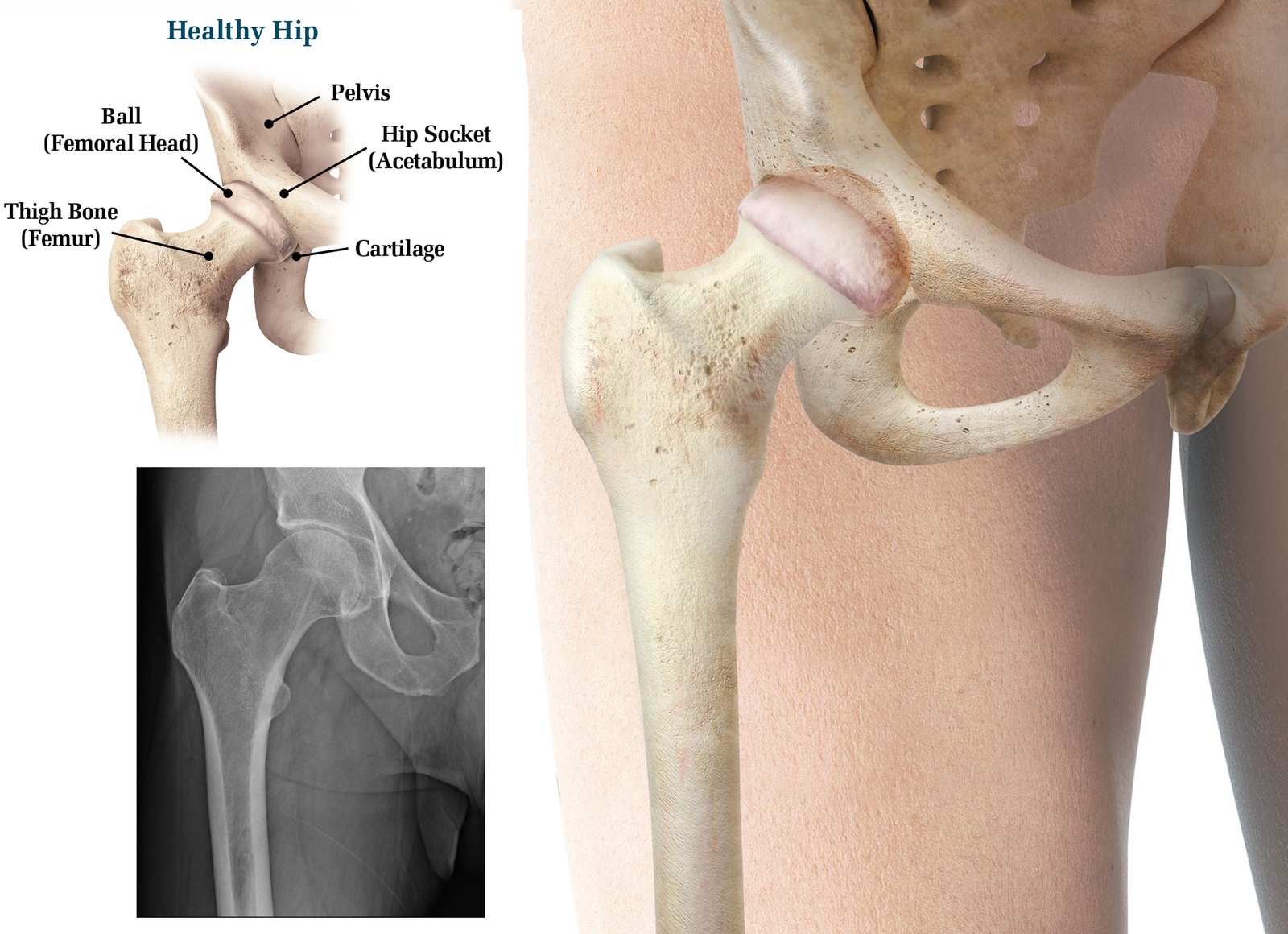
Understanding Hip Conditions
Clear, medically reviewed information about common hip conditions, symptoms, diagnosis, treatment options, and when surgery may be considered.
Common Hip Conditions

Hip Osteoarthritis
Progressive loss of cartilage in the hip joint can cause pain, stiffness, reduced mobility, and difficulty with everyday activities.
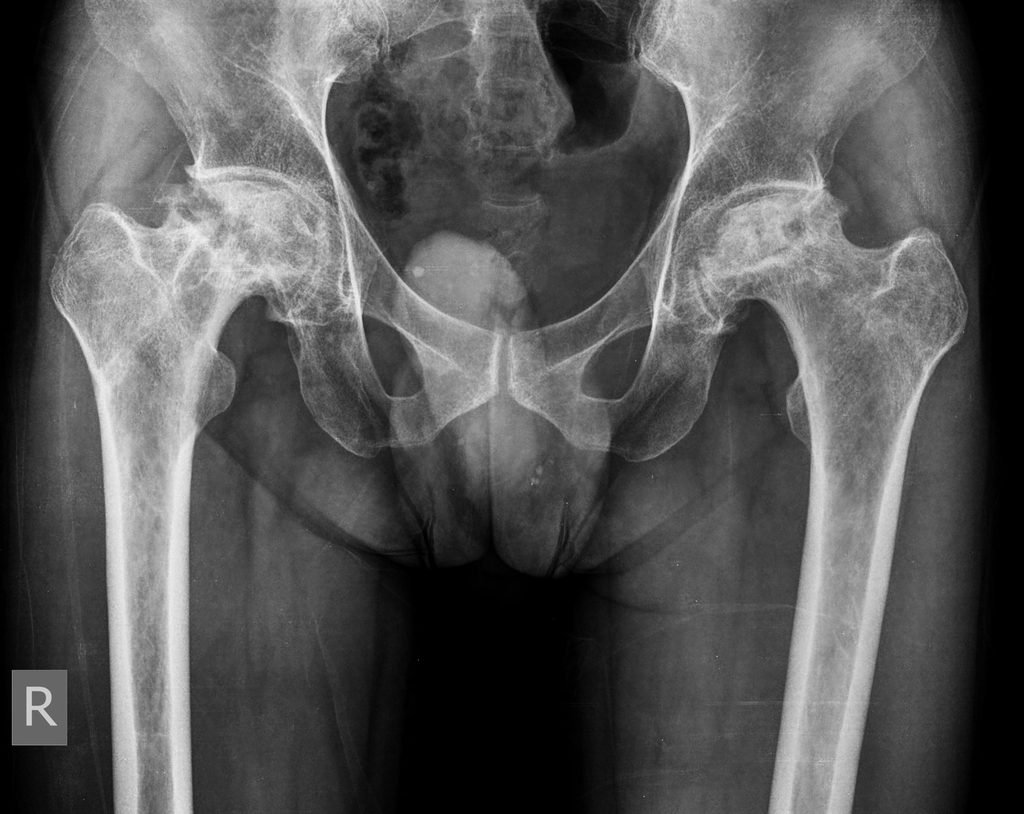
Avascular Necrosis (AVN)
Reduced blood supply to the femoral head can weaken the bone and may eventually lead to collapse of the hip joint
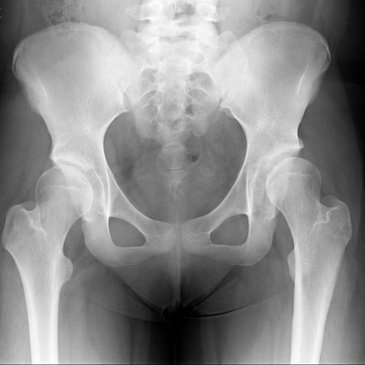
Hip Dysplasia
An abnormally shallow or poorly formed hip socket can increase joint stress and may lead to pain and early osteoarthritis
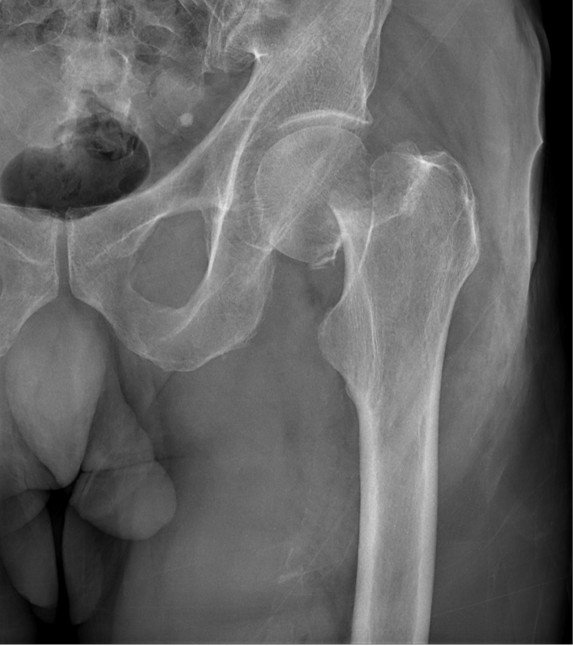
Femoral Neck Fracture
A fracture near the top of the femur can significantly affect mobility and may require fixation or hip replacement depending on the fracture and patient.
Common Symptoms of Hip Problems
Groin or hip pain
Pain when walking or standing
Difficulty putting on shoes or socks
Reduced hip movement
Limping Pain at night
Difficulty climbing stairs
Pain that interferes with work or daily activities
Hip symptoms can come from several different conditions, and similar symptoms may also originate from the lower back or surrounding muscles. A proper clinical assessment is important when symptoms persist.
When Should Hip Pain Be Evaluated?
Medical evaluation may be appropriate when hip pain persists, progressively worsens, limits walking or daily activities, causes night pain, or is associated with significant loss of movement
Seek urgent medical attention if you have:
Severe pain after a fall or injury
Inability to bear weight
Sudden severe hip pain
Fever associated with a painful hip
Significant swelling, redness, or systemic illness
How are Hip Conditions Diagnosed?
Clinical Assessment
History, pain pattern, walking ability, range of motion, and physical examination
Imaging
X-rays are commonly used to assess arthritis, deformity, fractures, and structural changes, MRI or other imaging may be required in selected conditions
Treatment Planning
Treatment depends on the diagnosis, severity of symptoms, imaging findings, overall health, and the impact on quality of life.
Treatment Options
Not every hip condition requires surgery.
Non-Surgical Treatment
Activity modification
Appropriate exercise
Physiotherapy
Weight management when relevant
Pain medication when appropriate
Walking aids
Selected injections in appropriate patients
Intra-articular Hip Injection
Surgery may be considered when symptoms remain severe despite appropriate non operative treatment or when certain conditions require surgical management.
Surgical Treatment
Surgery may be considered when symptoms remain severe despite appropriate non operative treatment or when certain conditions require surgical management
Could Hip Replacement Be an Option?
Hip replacement may be considered for some patients with advanced joint damage, persistent pain, and significant limitations in daily life. The decision should be individualized and made after appropriate evaluation
hipDecoded provides general educational information and does not replace individualized medical evaluation, diagnosis, or treatment from a qualified health care professional.