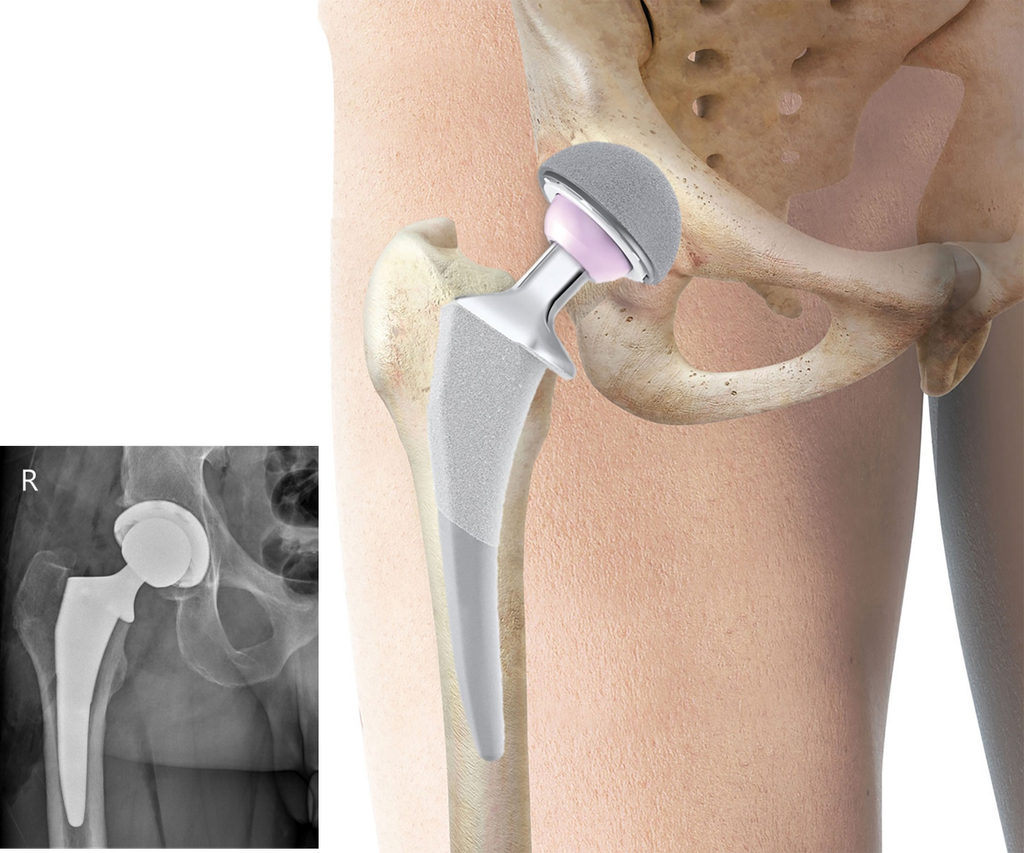
Understanding Hip Replacement
Clear, evidence-based information about total hip replacement, who may benefit, surgical approach, recovery, risk, and what to expect before and after surgery.
What Is Hip Replacement?
Total hip replacement is a surgical procedure in which the damaged surfaces of the hip joint are replaced with artificial components. It is commonly performed for advanced osteoarthritis and other conditions that cause persistent pain and loss of function.
- Damaged femoral head is replaced
- A new socket liner is inserted
- The goal is to reduce pain and improve function
Who May Benefit From Hip Replacement?
Severe Hip Pain
Pain that interferes with walking, sleep, or daily activities
Loss of Function
Difficulty with stairs, dressing, work, or normal mobility.
Advanced Joint Damage
Significant arthritis or structural damage seen on imaging.
Non-Surgical Treatment Is No Longer Enough
Symptoms remain significant despite appropriate conservative treatment.
Understanding Surgical Approaches
Direct Anterior Approach
Accesses the hip from the front and is one of several established surgical approaches.
Posterior Approach
Accesses the hip from the back and remains widely used worldwide.
Lateral/Anterolateral Approach
Accesses the hip from the side and may be selected based on surgeon experience and patient factors
Preparing for Hip Replacement
Good preparation can make surgery and recovery easier to navigate.
- Medical assessment
- Medication review
- Home preparation
- Planning support after discharge
What Does Recovery Look Like?
Day 0-1
Walking and basic mobility usually begin early.
Week 1
Pain, swelling, wound care, and safe movement are key priorities.
Weeks 2-6
Walking ability, confidence, and daily activities gradually improve.
Months 2-3
Many patient return to a broader range of normal activities.
Potential Risks and Complications
Hip replacement is a common and generally successful procedure, but every operation carries risk.
- Infection
- Dislocation
- Blood clots
- Fracture
- Leg-length difference
- Nerve or vessel injury
- Implant wear or loosening
- Need for revision surgery
How Long Does a Hip Replacement Last?
Modern hip replacements are designed to function for many years, but implant longevity varies depending on age, activity, implant type, bone quality and other factors.
Frequently Asked Questions?
- How painful is hip replacement?
- How soon can I walk?
- When can I drive?
- How long do I stay in hospital?
- When can I sleep on my side?
- When can I return to work?
Preparing for Hip Replacement?
Download our practical preparation checklist covering medication home setup, hospital essentials, walking aids, and questions to ask your surgeon.
HipDecoded provides general educational information and is not a substitute for diagnosis, treatment, or personalized medical advice from your own healthcare professional.